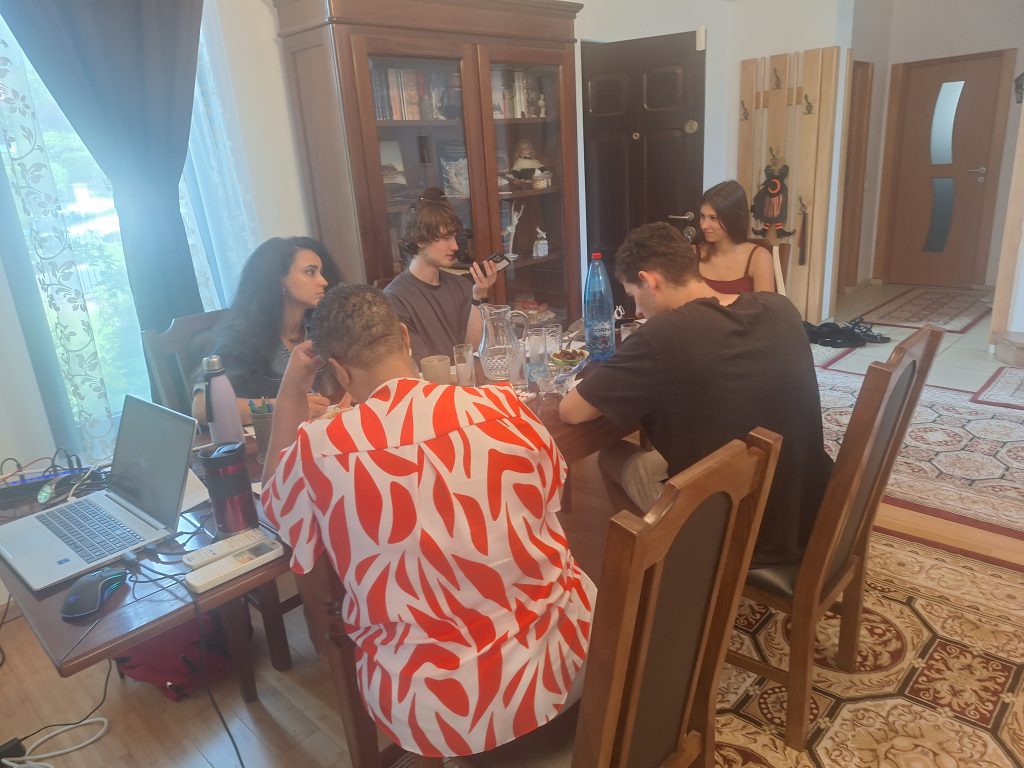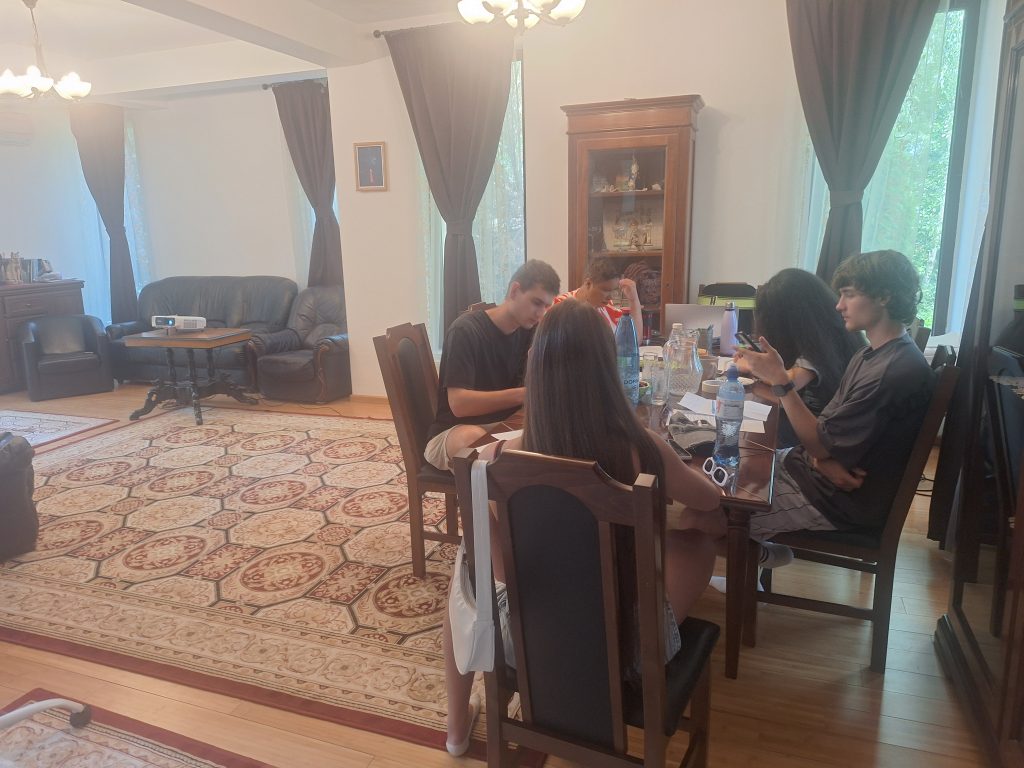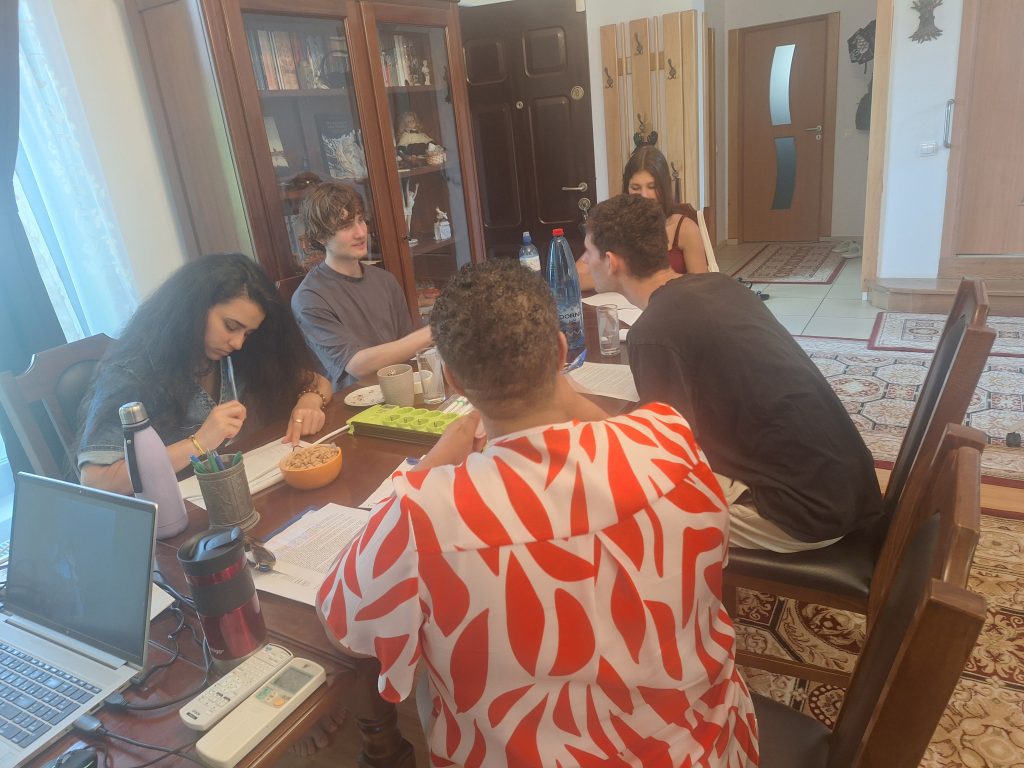
From 22 to 30 June 2026, a new training course was organised in Romania within the Erasmus+ project BRAVE – Building Resilience and Advancing Virtual Engagement.
The activity brought together three educators from Cyprus for an intensive learning experience focused on public speaking, confident communication, digital engagement and inclusive adult education.
The course continued the practical implementation of the BRAVE project, which aims to help educators and adult learners overcome communication barriers, reduce public-speaking anxiety and use digital tools more effectively in educational and professional contexts.
Building Confidence through Practice
A key part of the programme was dedicated to strengthening participants’ confidence when speaking in front of an audience.
The educators took part in short presentations, guided speaking exercises, group discussions and realistic communication scenarios. These activities helped them improve the structure of their speeches, voice projection, clarity, pacing and interaction with listeners.
The practical approach allowed participants to experiment with different communication techniques and receive constructive feedback throughout the course.
Improving Verbal and Non-Verbal Communication
The training also focused on the importance of non-verbal communication.
Participants explored how posture, eye contact, facial expressions, gestures and tone of voice can influence the way a message is received. They practised combining verbal and non-verbal elements to make presentations clearer, more persuasive and more engaging.
Attention was also given to techniques for managing nervousness, maintaining concentration and responding confidently to questions or unexpected situations.
Digital Methods for Adult Education
Another important component of the course was the use of digital tools in teaching and communication.
The educators explored ways to create more interactive presentations, support online participation and use digital platforms to provide feedback. They also discussed how artificial intelligence and virtual learning environments can support personalised learning and offer safe spaces for practising public speaking.
These methods can be especially useful for adult learners who may feel anxious about speaking in groups or who require additional support in developing digital skills.
Inclusive and Learner-Centred Teaching
The course encouraged the educators to reflect on how communication activities can be adapted to different learner profiles.
Participants examined methods for supporting older adults, people with fewer opportunities and learners with limited confidence or digital experience. They practised creating a respectful and supportive environment in which every participant feels encouraged to contribute.
Collaborative tasks, peer learning and reflection activities helped the educators understand how to increase learner participation and maintain motivation.
New Competences for Professional Practice
By the end of the course, the participants had strengthened their ability to:
- prepare and deliver structured presentations;
- communicate clearly and confidently;
- manage public-speaking anxiety;
- use voice, posture and eye contact more effectively;
- integrate digital resources into educational activities;
- provide useful and encouraging feedback;
- design inclusive activities for adult learners;
- facilitate discussions and interactive learning sessions.
The course combined professional development with opportunities for reflection, exchange of experience and international learning.
Continuing the Impact in Cyprus
After returning to Cyprus, the three educators will be able to use the knowledge and methods gained during the mobility in their own teaching and training activities.
The new techniques can be integrated into adult-learning courses, workshops, professional-development sessions and communication programmes. The participants can also share their experience with colleagues, helping the benefits of the mobility reach a wider educational community.
The training held from 22 to 30 June 2026 represented another important step in the BRAVE project’s mission to promote confidence, resilience and meaningful digital engagement in adult education.
Project title: BRAVE – Building Resilience and Advancing Virtual Engagement
Programme: Erasmus+ KA122-ADU
Course dates: 22–30 June 2026
Location: Romania
Participants: Three educators from Cyprus.