BRAVE – Building Resilience and Advancing Virtual Engagement
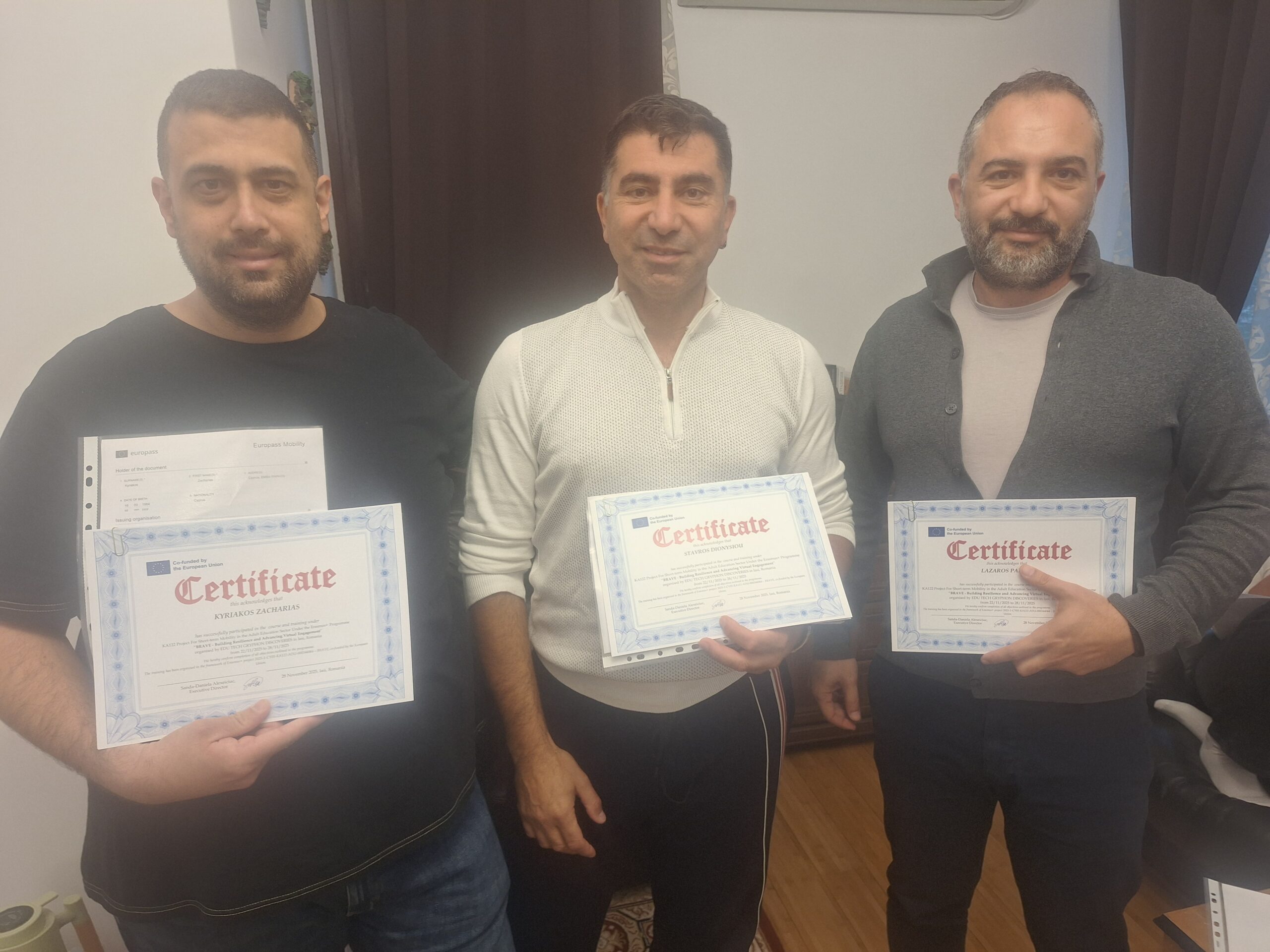
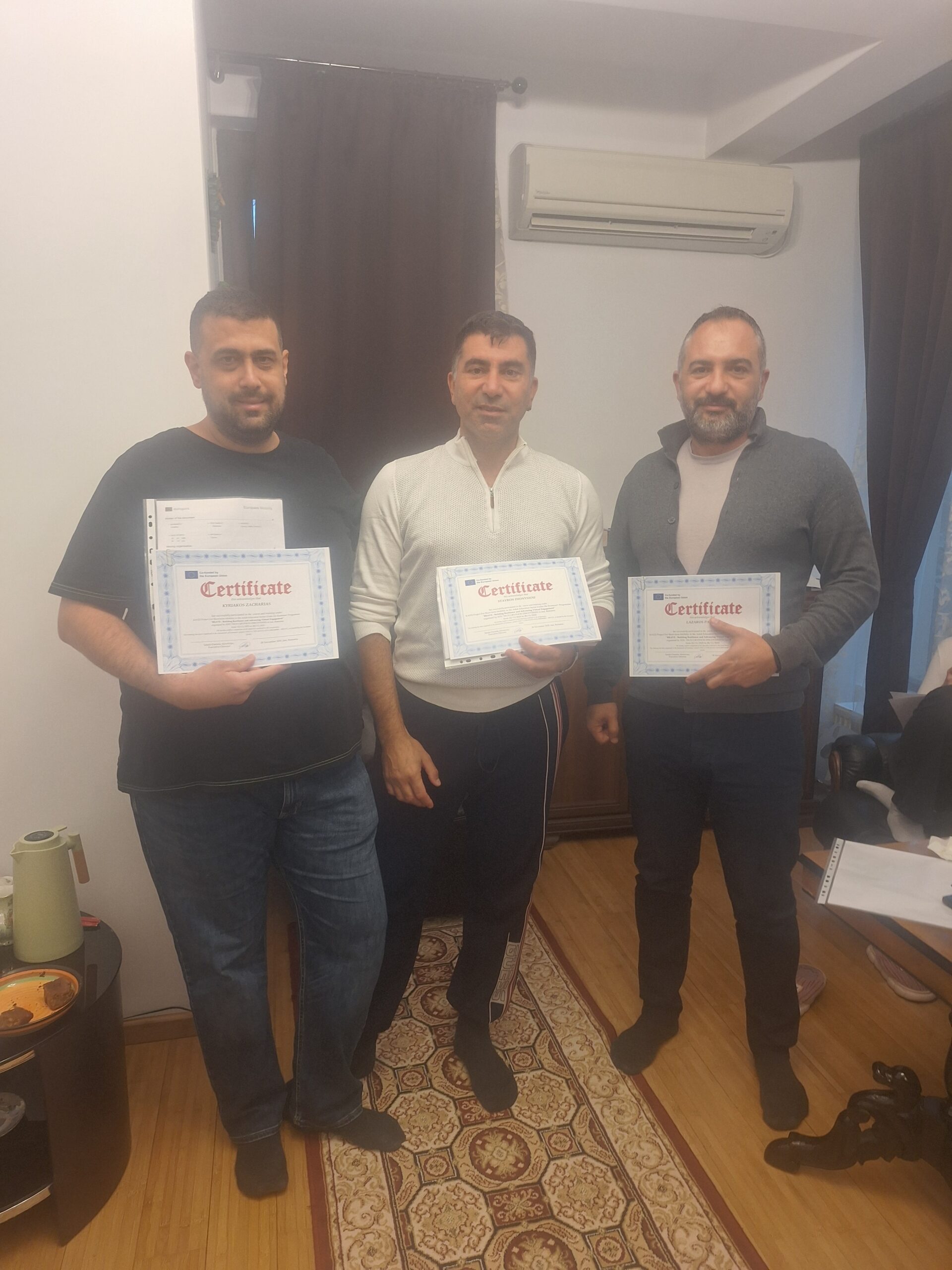
The training was organised in the framework of the Erasmus+ project 2025-1-CY01-KA122-ADU-000344066 – BRAVE, co-funded by the European Union. The mobility activity, titled “BRAVE – Building Resilience and Advancing Virtual Engagement”, took place in Iași, Romania, and was hosted by EDU TECH GRYPHON DISCOVERIES from 22/11/2025 to 28/11/2025. A total of three participants from our organisation took part in this short-term adult education mobility.
KA122-ADU project addressed the growing need for effective public speaking and communication skills among adult learners and educators, especially those experiencing communication anxiety, low confidence, or digital barriers. The project sought to offer tailored training using innovative tools such as Virtual Reality Therapy (VRT) and AI-driven speech feedback systems, supporting participants in gaining confidence, improving employability, and enhancing their teaching and facilitation methods. This aligned with our mission to create inclusive, accessible, and technologically enriched learning environments.
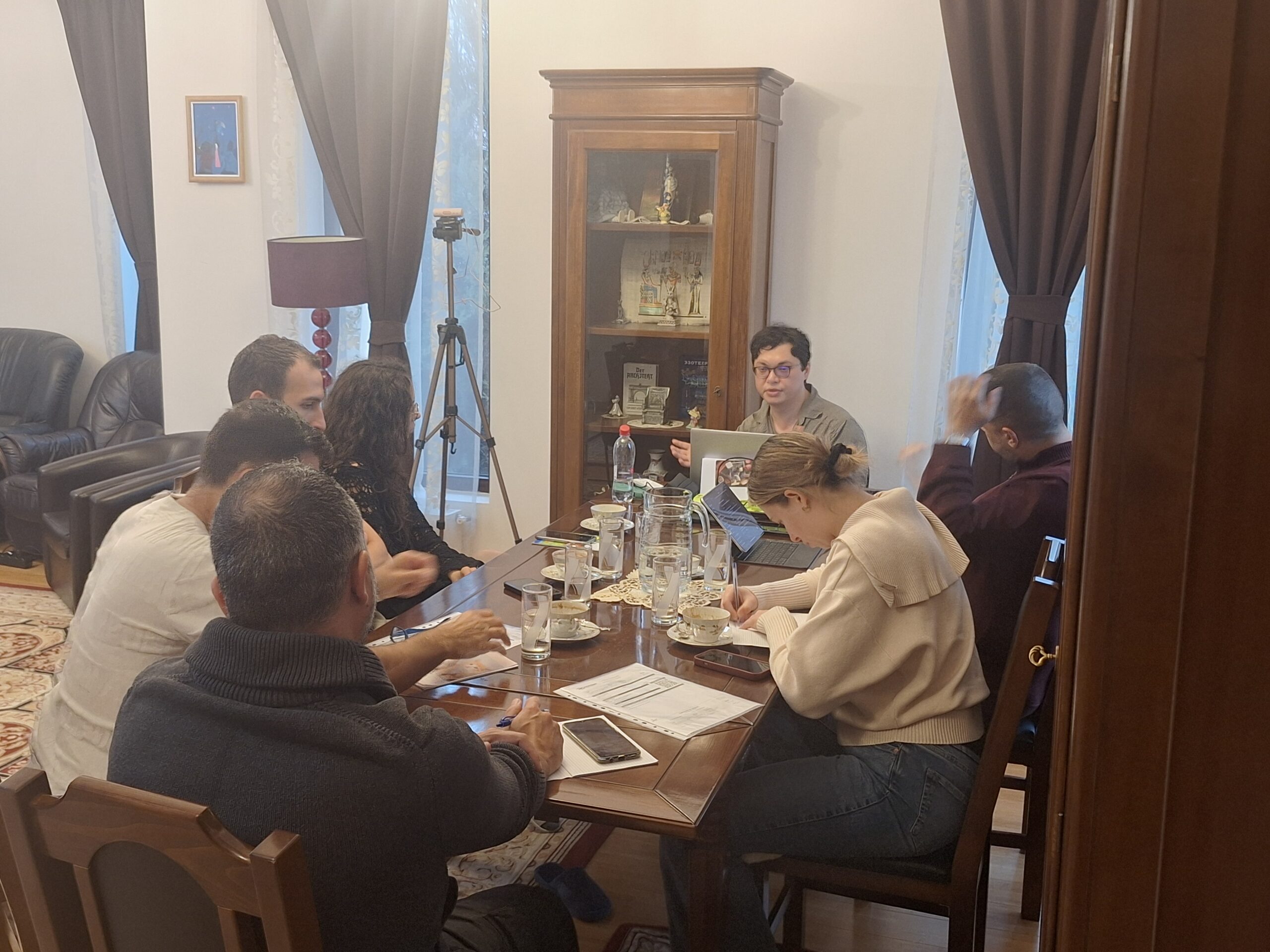
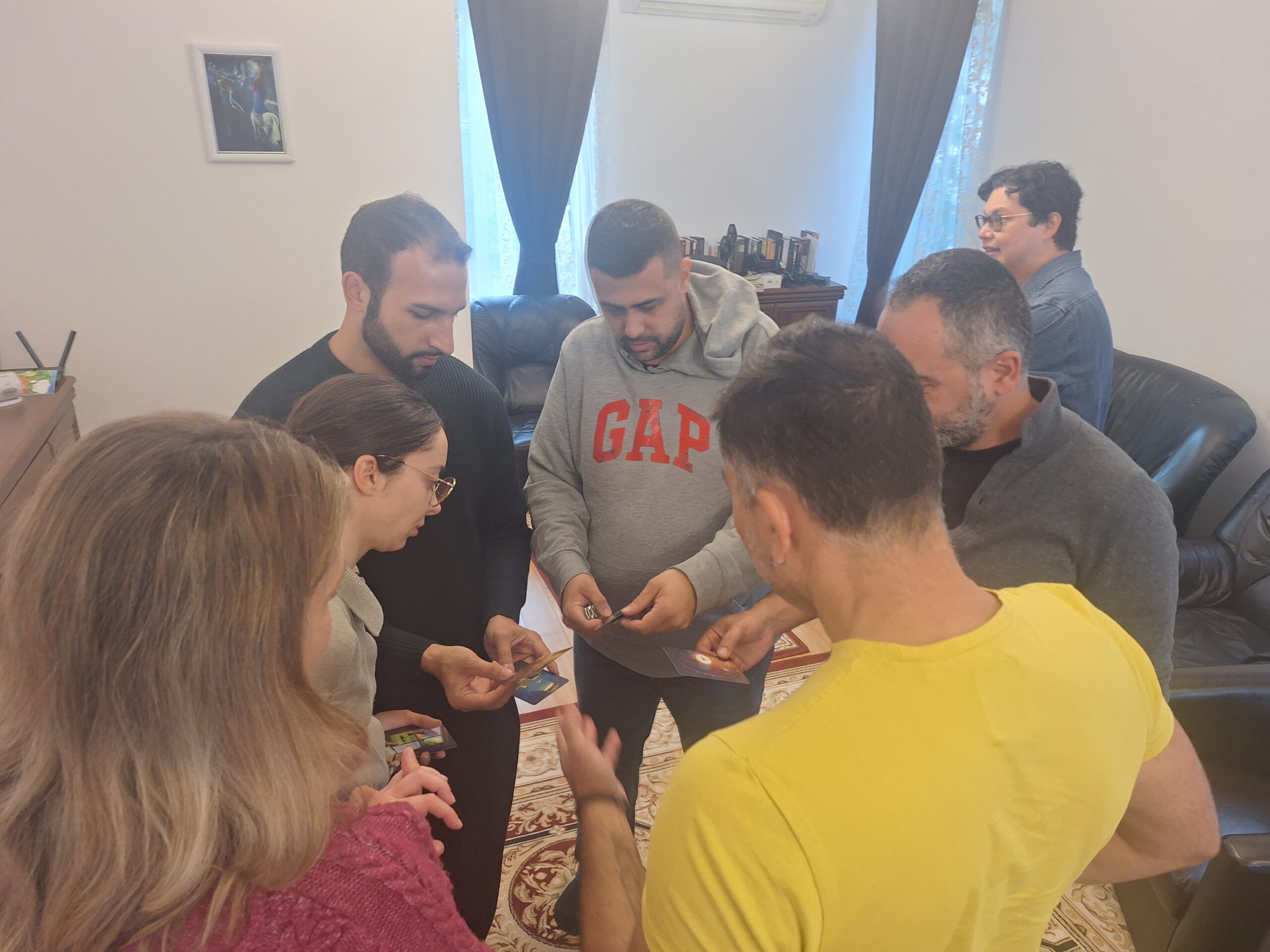
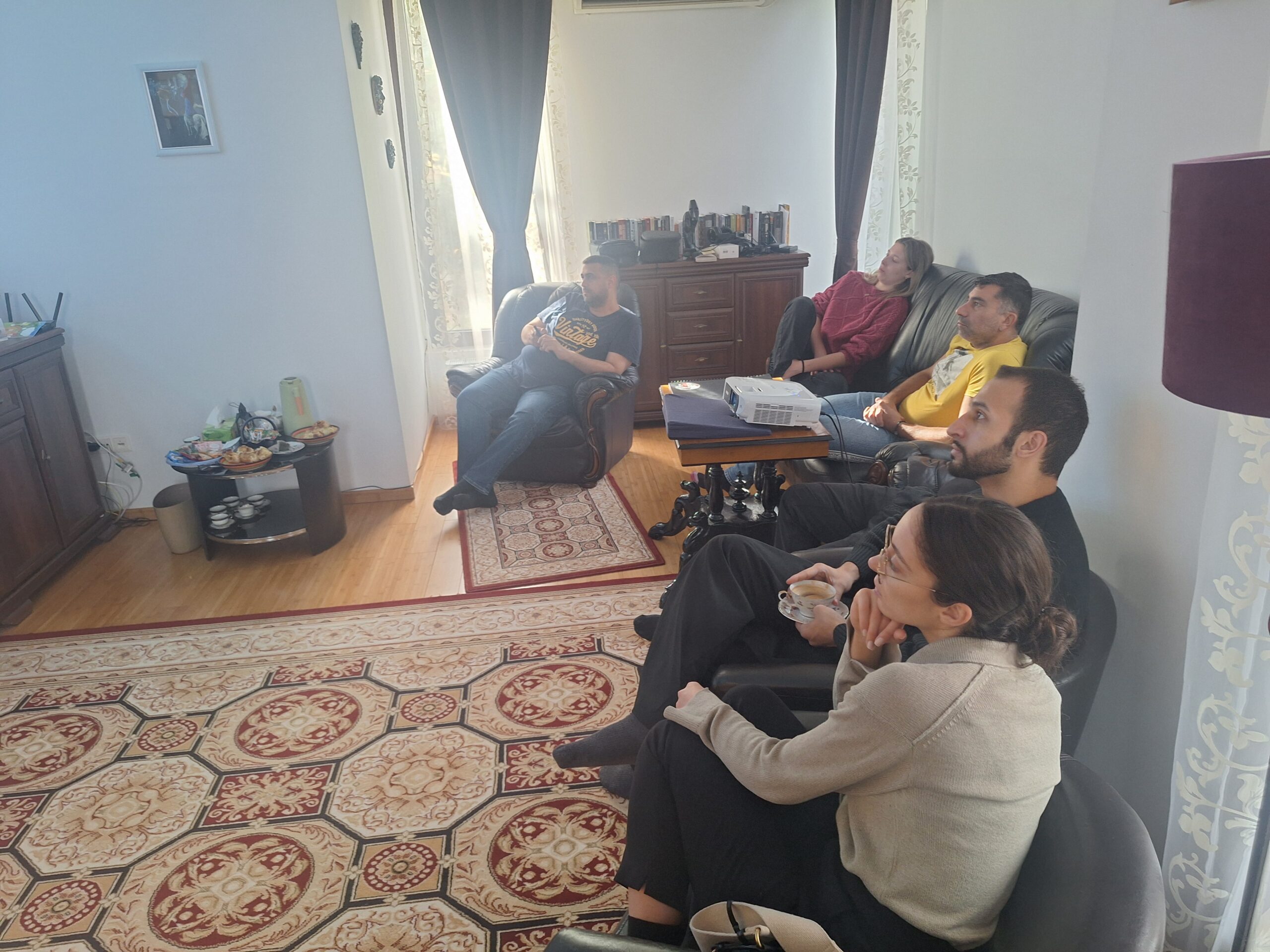
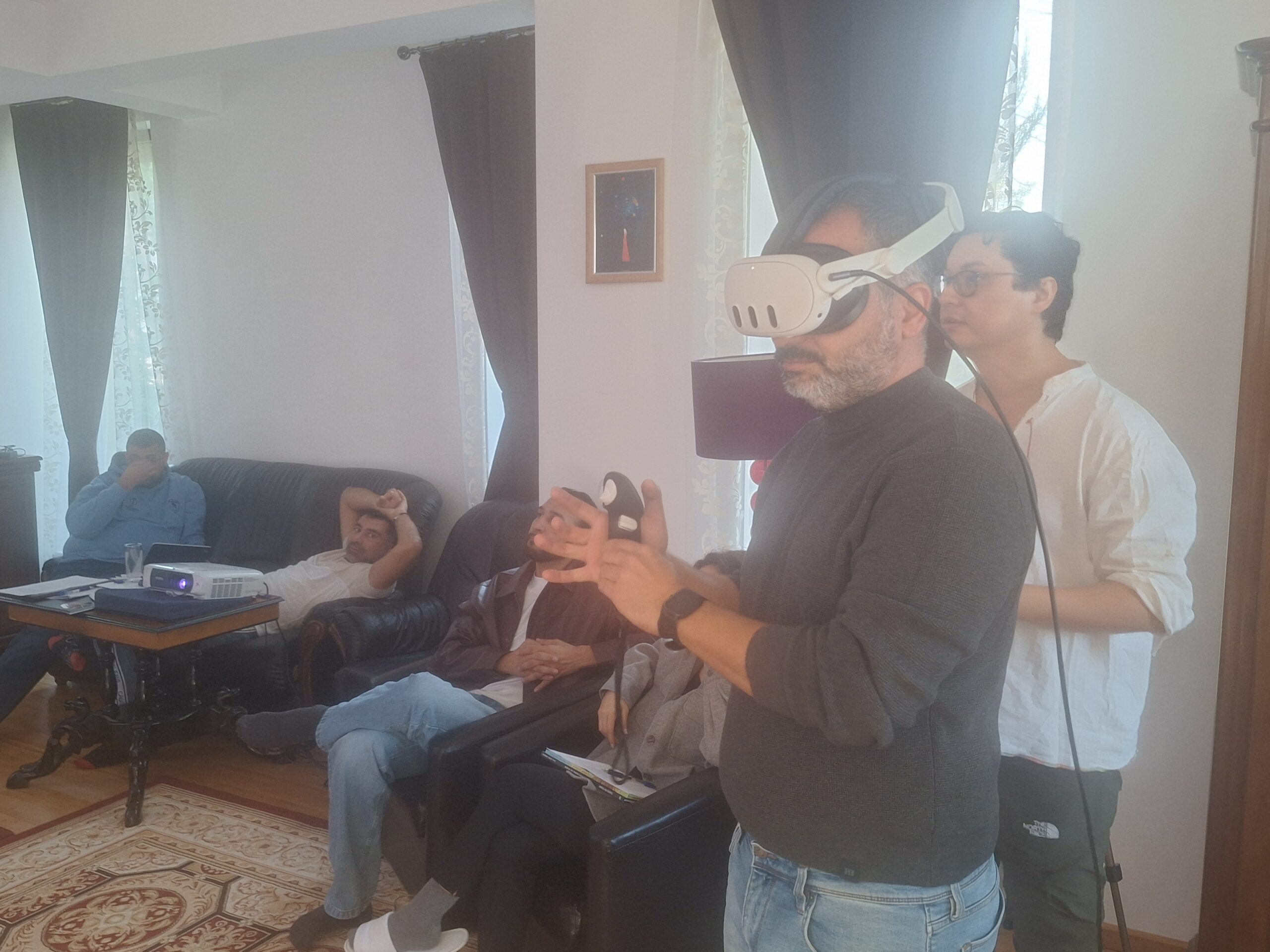
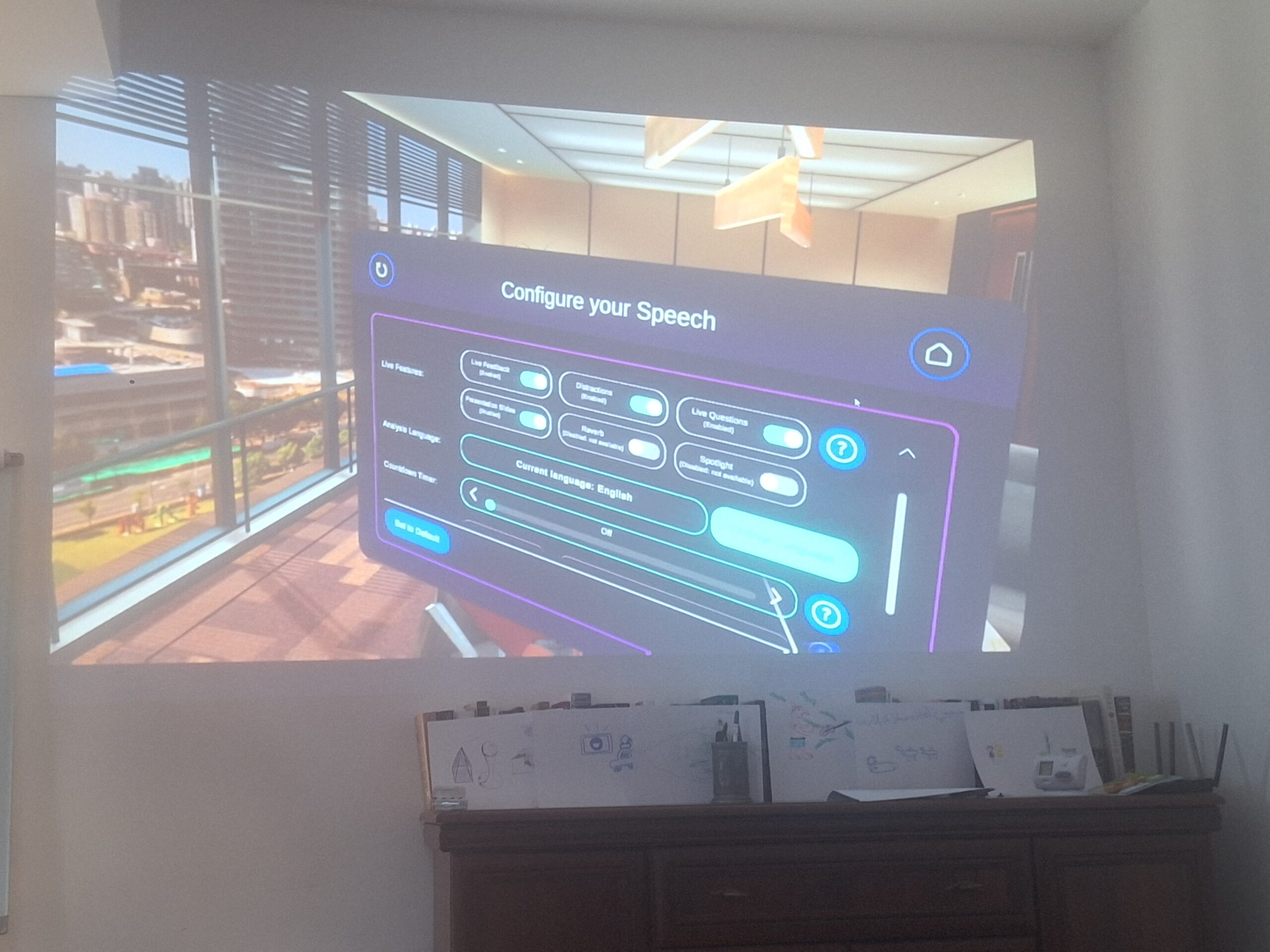
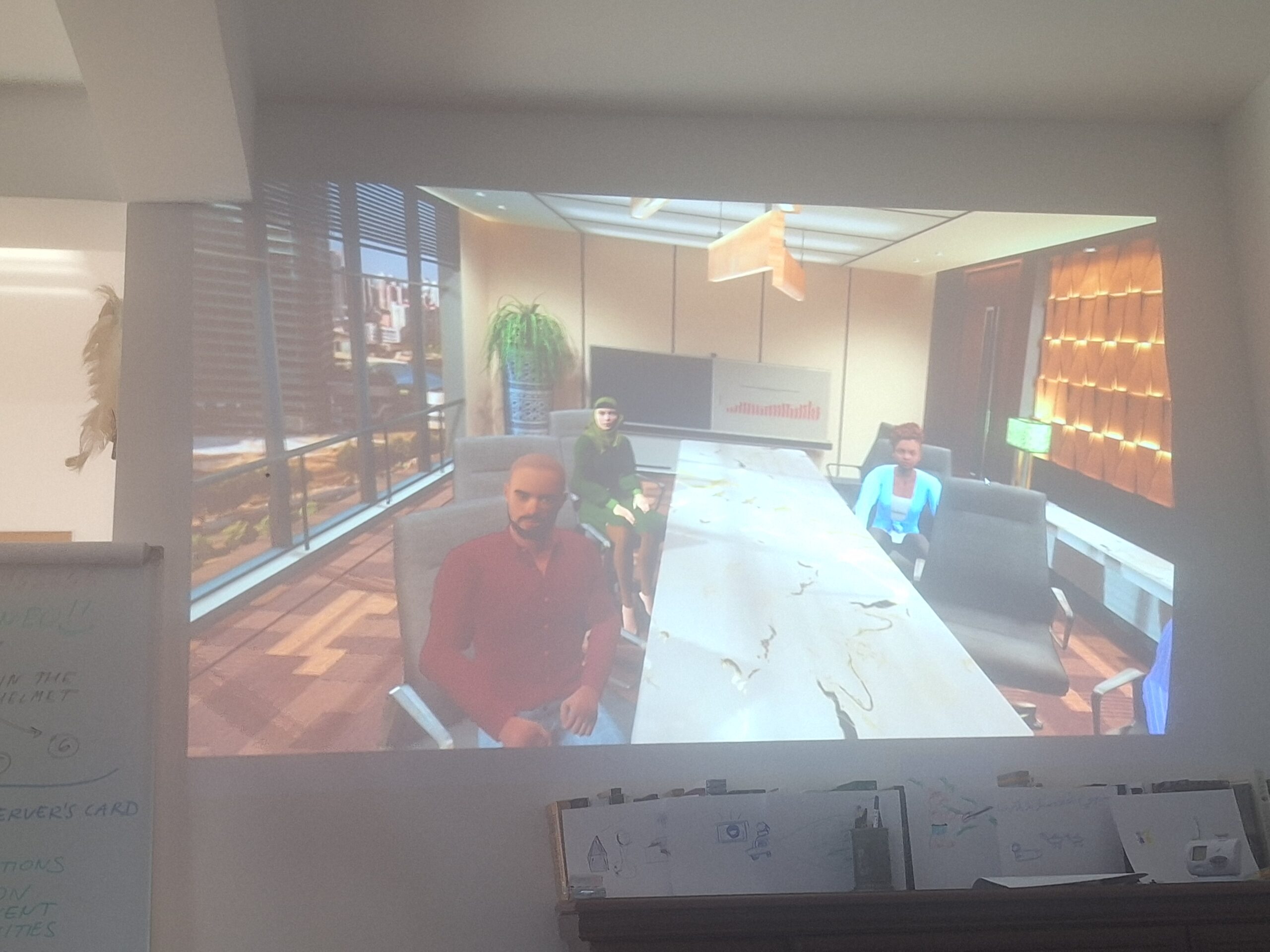
Throughout the training week,3 participants engaged in intensive workshops that combined theory, practice, and digital tools. They experienced Virtual Reality Therapy simulations designed to gradually expose them to public speaking scenarios, helping them overcome anxiety in a controlled and supportive environment. Additionally, AI-powered speech coaching tools provided personalised feedback on voice, clarity, pacing, eye contact, and body language, allowing participants to track their progress throughout the mobility.
The BRAVE project course aimed not only to build communication competences but also to bridge digital divides—particularly relevant for older adults and adult educators with limited digital skills. During the training in Iași, this objective was fully achieved through hands-on digital literacy sessions that familiarised participants with new technologies, digital presentation tools, and virtual engagement methods. These activities significantly contributed to improving their confidence and ability to participate actively in digital learning settings.
Overall, the mobility was highly successful. The three participants demonstrated visible progress in reducing public speaking anxiety and improving their communication skills. They gained confidence in expressing ideas clearly and persuasively in both professional and social contexts. The combination of innovative methodologies—VRT exposure, AI-based feedback, and non-formal learning activities—resulted in measurable improvements in speech delivery, digital engagement, and overall self-efficacy. This, in turn, strengthened their employability and enriched their role as educators and facilitators within their organisations.
The implementation of the BRAVE project thus contributed meaningfully to the professional development of the participants and to our organisation’s capacity to support adult learners, especially those facing barriers related to communication and digital participation.